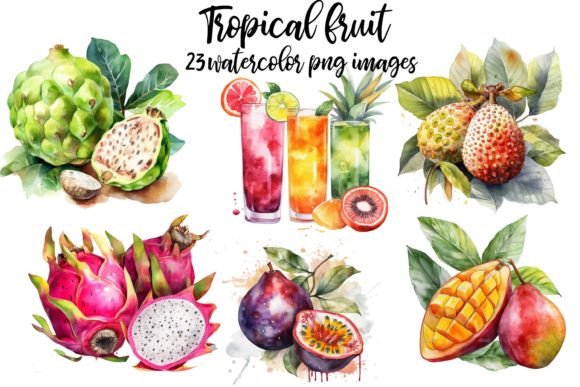
Tropical Fruit Clipart for Crafts and Editorial Design
As a digital publisher and blog designer, my first interaction with any graphic design asset is always a stress test. I do not look at clipart merely as decoration; I evaluate it as a functional component of a content strategy. When reviewing this Tropical Fruit Clipart collection, the immediate impression is one of vibrant, organic energy that bridges the gap between playful creativity and polished editorial aesthetics. Unlike generic stock vectors that often feel sterile or overly corporate, these illustrations possess a handcrafted texture that signals authenticity. For publishers in the lifestyle, culinary, travel, or wellness niches, this visual mood is critical. It establishes an approachable yet professional tone that encourages reader engagement without sacrificing brand authority.
The versatility of this asset lies in its ability to adapt to various content formats while maintaining a cohesive brand identity. In a real publishing workflow, consistency is the metric that builds trust. This Tropical Fruit Clipart succeeds because the line weight, color saturation, and artistic style remain uniform across different elements. Whether you are designing a website header for a summer campaign or creating intricate layouts for Crafts tutorials, the visual language remains stable. This stability allows content creators to mix and match elements without the final output looking disjointed, which is a common pitfall when sourcing assets from multiple creators.
Elevating Blog Graphics and Pinterest Performance
In the current digital landscape, blog graphics serve as the primary hook for reader attention. I tested this Tropical Fruit Clipart specifically for featured images and social sharing cards. The bold colors and distinct silhouettes perform exceptionally well at small sizes, ensuring that thumbnails remain recognizable even on mobile feeds. For Pinterest pin creation, the asset provides excellent negative space management. Many clipart sets clutter the canvas, making text overlays difficult to read. However, these fruit illustrations allow for clean typography placement, which is essential for high click-through rates. When paired with modern sans-serif fonts or elegant scripts, the clipart enhances the visual hierarchy rather than competing with the headline.
For affiliate marketers and content creators focusing on seasonal trends, this asset offers a rapid solution for refreshing evergreen content. Updating an old post with fresh social media graphics featuring these tropical elements can signal relevance to both algorithms and returning readers. The aesthetic naturally supports affiliate marketing for kitchenware, travel gear, or craft supplies by providing a contextual backdrop that feels native to the product review rather than an intrusive advertisement.
Application in Digital Products and Lead Magnets
Beyond standard web content, this Tropical Fruit Clipart proves valuable for monetization strategies involving digital products. As a designer creating lead magnets, I look for assets that add perceived value to freebies. These illustrations work beautifully as decorative accents in PDF checklists, meal planners, or recipe eBooks. They transform a plain document into a branded experience. For those selling printable design files or Canva template packs, the commercial utility here is significant. The artwork is detailed enough to stand alone as a focal point on a worksheet cover but subtle enough to serve as a repeating pattern for digital planner backgrounds.
When developing a digital guide or online course, visual fatigue is a genuine concern. Text-heavy educational content needs rhythmic visual breaks. Integrating these fruit motifs as section dividers or bullet points introduces a biophilic design element that reduces cognitive load. This application is particularly effective for educators and coaches who want to maintain a warm, inviting learning environment. The clipart supports the narrative of growth, freshness, and natural abundance, reinforcing the thematic core of wellness or creative education content.
Strategic Placement and Visual Hierarchy
Understanding where to deploy this asset is just as important as the asset itself. Based on my editorial testing, Tropical Fruit Clipart performs best in specific high-visibility zones:
- Hero Images: Use as an overlay on solid color blocks to create custom banners without needing complex photo editing skills.
- Category Thumbnails: Assign specific fruits to different blog categories (e.g., pineapple for travel, mango for recipes) to aid user navigation through visual association.
- Newsletter Headers: Establish a seasonal theme immediately in the inbox preview pane to boost open rates.
- Content Upgrades: Brand your downloadable resources distinctly so users recognize them as exclusive value-adds.
- Social Media Stories: Utilize as interactive stickers or background elements to increase engagement time.
Conversely, there are environments where caution is required. Avoid using these vibrant illustrations in highly technical, legal, or somber corporate contexts where they may undermine the gravity of the message. Additionally, be mindful of contrast when placing text directly over the artwork. While the designs are clean, busy arrangements can reduce accessibility. Always ensure sufficient padding between the clipart and critical copy. On mobile devices, test the scale rigorously; what looks like a lush border on desktop may appear as visual noise on a smartphone screen if not resized appropriately.
Publisher Workflow and Technical Considerations
Integrating Tropical Fruit Clipart into a professional publishing workflow requires more than drag-and-drop implementation. To maximize the return on this creative design investment, adhere to the following technical and strategic checks:
- Licensing Verification: Before using this asset on monetized blogs, affiliate pages, or within paid digital downloads, confirm the specific terms of the commercial license. Ensure you have the rights to use the art in templates intended for resale if that is your business model.
- File Optimization: High-resolution PNGs are great for print, but they kill web performance. Always compress images for web use to maintain fast load times, which directly impacts SEO rankings and user retention.
- Typography Pairing: Test the clipart against your site’s font stack. These organic shapes pair exceptionally well with rounded sans-serifs and handwritten display fonts but may clash with rigid, geometric typefaces. Find the balance that suits your modern design aesthetic.
- Monochrome Testing: View the assets in grayscale to ensure they retain their form and recognizability without color. This ensures accessibility for users with visual impairments and guarantees the design holds up in black-and-white print scenarios.
- Brand Consistency Check: Create a style guide swatch using these fruits alongside your brand colors. If the clipart clashes with your primary palette, consider applying a duotone filter or adjusting opacity to harmonize it with your existing small business branding.
Ultimately, this Tropical Fruit Clipart collection represents a strong addition to the creative marketplace for publishers who prioritize quality over quantity. It solves a specific problem: the need for warm, human-centric visuals in an increasingly automated digital space. Whether you are enhancing a content marketing strategy, designing a new website header, or crafting a unique lead magnet, these assets provide the polish necessary to convert casual visitors into loyal readers. By treating this clipart as a strategic editorial tool rather than mere decoration, you elevate the entire user experience, fostering deeper connections and driving tangible results for your digital publishing endeavors.