Liquid Metal Seamless Tile Patterns Review
First Impressions: Industrial Meets Organic
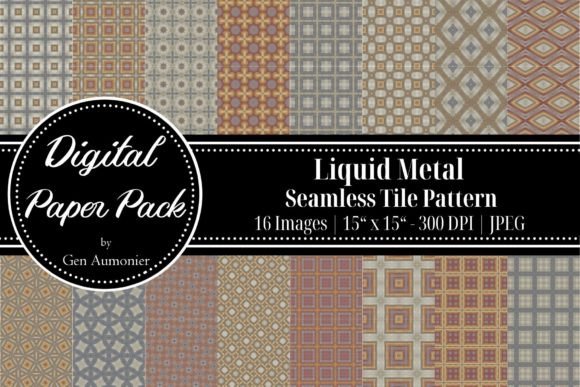
Opening the file for Liquid Metal Seamless Tile Patterns, I was struck by the contrast between the metallic sheen of the design and the organic, flowing lines that make up the tile layout. It’s a bold choice for embroidery—combining a futuristic vibe with a subtle, almost hand-drawn texture. The mood is sleek, modern, and just a little mysterious. It feels like it belongs on high-end boutique apparel or minimalist home decor.
The layout is clearly designed for continuity. Each tile flows seamlessly into the next, making it ideal for larger projects like pillow covers or tote bags where repetition is key. The detail level is moderate—clean enough for quick stitching, but with enough variation in line weight and spacing to keep the eye engaged. It doesn’t scream for attention, but it definitely holds it once you’re looking.
Real-World Use: From Sweatshirts to Baby Accessories
I tested Liquid Metal Seamless Tile Patterns on a few different materials to see how it would hold up in actual use. Starting with a medium-weight cotton sweatshirt fabric, the design stitched out cleanly. The satin and fill stitches laid flat, and the density felt just right—not too heavy to cause puckering, not too light to look washed out.
Next, I tried it on a lightweight baby onesie. The fabric was thinner, so I added a lightweight tear-away stabilizer. It worked, but I noticed the denser areas pulled slightly around the edges. It’s doable, especially if you’re careful with placement and hoop alignment, but not ideal for ultra-delicate fabrics without extra prep.
For a tote bag project, I stitched the pattern across the front panel. The seamless repeat really shined here. The continuity gave the bag a custom-printed look, but with the added texture and depth of real embroidery. Customers would definitely notice the difference compared to standard embroidered logos or motifs.
Where It Works Best
This pattern is particularly well-suited for:
- Custom apparel – especially hoodies, sweatshirts, and jackets where the design can stretch across the back or sleeve.
- Boutique tote bags – the repeating layout makes it feel like a designer fabric print.
- Pillow covers – the seamless repeat works beautifully across larger surfaces.
- Commercial embroidery – ideal for small shops wanting to add a modern edge to their product line.
- Digital product previews – looks sharp in mockups, especially on dark backgrounds.
Where to Use It Carefully
While Liquid Metal Seamless Tile Patterns performs well in many applications, there are a few scenarios where extra attention is needed:
- Small hoop sizes – the repeating layout doesn’t scale down easily without losing definition.
- Stretchy fabric – the satin stitches can pucker if the tension isn’t dialed in just right.
- Dark fabric – some of the lighter thread colors may not stand out as clearly, so test color contrast before stitching.
- Curved surfaces like caps – the pattern’s geometric layout may distort slightly if not adjusted for the curve.
- Frequent-wash items – the satin stitch borders may wear faster than simpler running stitch designs.
Impact on Product Appeal and Customer Perception
Using this design on a finished product instantly elevates its perceived value. It has that “designed by a pro” look that Etsy sellers and boutique brands live for. The visual clarity of the pattern helps it stand out in product photos, which is key for digital listings and social media.
For small shop owners, this pattern adds a layer of sophistication to their handmade presentation. It’s not just a cute embroidery file—it’s a design asset that can help build brand consistency across different product lines. Whether it’s on a holiday gift, a personalized baby blanket, or a custom patch, the Liquid Metal style gives a sense of modern craftsmanship.
From a customer trust standpoint, this design reads as intentional and high-quality. That’s huge for creative entrepreneurs trying to separate themselves from generic machine embroidery.
Designer Notes: What to Test Before You Commit
Before using Liquid Metal Seamless Tile Patterns in client work or for resale, here are a few things I recommend checking:
- Test on scrap fabric – especially if you’re using an unfamiliar material or stabilizer combo.
- Check thread color contrast – especially on dark or textured fabrics.
- Review stitch density – make sure it’s balanced for your fabric type.
- Confirm hoop size – the seamless repeat may require a larger hoop for full effect.
- Inspect small details – some corners and inner lines may get lost if scaled too small.
- Try black and white mockups – helps you see how the pattern will look without color distraction.
- Use proper stabilizer – heavier weight designs often benefit from a medium to heavy tear-away or wash-away backing.
- Confirm licensing – especially if you’re planning to sell finished items or include it in digital product bundles.
Final Thoughts: A Modern Design Worth Investing In
Liquid Metal Seamless Tile Patterns isn’t just another embroidery file—it’s a versatile design asset that works well across multiple product types and styles. Whether you’re an Etsy seller looking to elevate your custom apparel, a craft business owner wanting to add a touch of modern flair, or a digital product creator building a premium bundle, this pattern delivers both visual impact and practical usability.
It’s not a one-size-fits-all solution, but when used thoughtfully, it adds a level of polish and professionalism that can set your handmade items apart. Just be mindful of fabric choice, stitch density, and scaling, and you’ll get a clean, sharp result every time.